Moving Beyond Food Banks: Tackling hunger trauma and building resilient community food systems
Many organisations recognise that food banks are not a long-term solution to poverty and food insecurity but making the transition to more dignified and sustainable approaches can be challenging. Together with the Alliance for Dignified Food Support, we have developed a place-based training and support programme to help local authorities, food partnerships and community organisations navigate that change.
Why Food Banks Are Not a Long-Term Solution to Food Insecurity
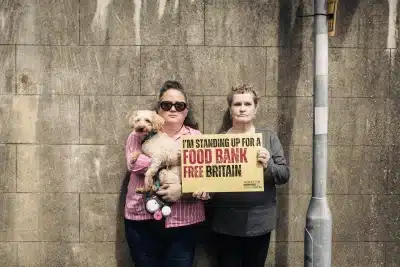
Within the voluntary sector, there is broad agreement that food banks and emergency food aid are not the solution to rising income inequality, the cost-of-living crisis, chronic poverty, hunger and malnutrition.
Over the years, we have spoken with hundreds of people who work, volunteer or access emergency food aid across the UK. While people recognise the important role food banks play in supporting people during crises, very few believe that expanding emergency food provision alone will address the underlying causes of hardship.
Supporting Organisations to Move Beyond Emergency Food Aid
Many organisations want to develop more dignified, preventative and sustainable responses, but they are often unsure where to start. Questions about leadership, funding, partnerships, volunteer roles and alternative models of support can make change feel daunting.
That is why we have developed a new place-based training and support programme. Drawing on years of experience working alongside community food organisations, food partnerships, local authorities and statutory services, we support communities to move from emergency responses towards longer-term solutions.
Understanding Hunger Trauma and the Wider Impacts of Food Insecurity
The need for change is well documented. More than a decade ago, the For Emergency Use Only report, commissioned by Trussell, Oxfam GB, the Child Poverty Action Group and the Church of England, outlined practical changes that could reduce the need for food banks while ensuring people receive support during times of crisis. Many of those recommendations remain just as relevant today.

We also know that food insecurity is about much more than food. It is a marker of wider poverty and inequality, with significant impacts on physical health, mental wellbeing, dignity and social participation. The Alliance for Dignified Food Support research on hunger trauma highlights the profound emotional and psychological impact that prolonged food insecurity can have on individuals and families.
At the same time, volunteers and staff in this sector are overwhelmed by the psychological, practical and ethical challenges they face, often resulting in moral distress, moral conflicts and burnout. Many are supporting people experiencing financial hardship, poor mental health, social isolation and safeguarding concerns, frequently without access to the training or resources that they need.
Across the country, organisations are asking what comes next. Increasingly, local authorities and community partners are exploring cash-first approaches, hardship grants, integrated support services and community-led initiatives that strengthen resilience rather than relying solely on emergency food provision. The introduction of the Crisis and Resilience Fund has created an important opportunity to accelerate this shift.
A Place-Based Training Programme for Sustainable Community Food Systems
Our training and development model is designed to support organisations through this transition. We help partners to:
- Embed dignity and trauma-informed practice within community food support.
- Strengthen organisational resilience and support staff and volunteers through change.
- Develop sustainable alternatives to emergency food aid.
- Create place-based strategies that strengthen prevention, cash-first support and community resilience.
Our approach is tailored to local circumstances and recognises that every area faces different opportunities and challenges. Rather than offering a one-size-fits-all solution, we work with partners to understand local priorities, build on existing strengths and develop realistic pathways for change.
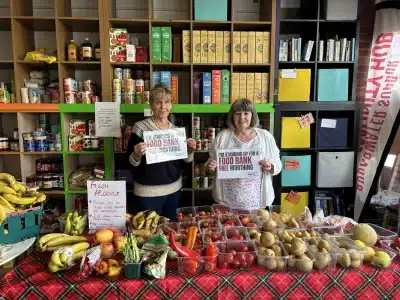
We know that moving beyond food banks is not simple, and it cannot be achieved by any single organisation acting alone. However, with strong leadership, effective partnership working and targeted support, communities can develop more effective and dignified responses to hardship.
If your local authority, food partnership or community organisation is exploring how to reduce reliance on emergency food aid and strengthen community resilience, we would love to hear from you. Together, we can develop practical approaches that meet immediate needs while creating the conditions for longer-term change.
Find out more on our training page here.
Moving Beyond Food Banks: Tackling hunger trauma and building resilient community food systems
Many organisations recognise that food banks are not a long-term solution to poverty and food insecurity but making the transition to more dignified and sustainable approaches can be challenging. Together with the Alliance for Dignified Food Support, we have developed a place-based training and support programme to help local authorities, food partnerships and community organisations navigate that change.
Why Food Banks Are Not a Long-Term Solution to Food Insecurity
Within the voluntary sector, there is broad agreement that food banks and emergency food aid are not the solution to rising income inequality, the cost-of-living crisis, chronic poverty, hunger and malnutrition.
Over the years, we have spoken with hundreds of people who work, volunteer or access emergency food aid across the UK. While people recognise the important role food banks play in supporting people during crises, very few believe that expanding emergency food provision alone will address the underlying causes of hardship.
Supporting Organisations to Move Beyond Emergency Food Aid
Many organisations want to develop more dignified, preventative and sustainable responses, but they are often unsure where to start. Questions about leadership, funding, partnerships, volunteer roles and alternative models of support can make change feel daunting.
That is why we have developed a new place-based training and support programme. Drawing on years of experience working alongside community food organisations, food partnerships, local authorities and statutory services, we support communities to move from emergency responses towards longer-term solutions.
Understanding Hunger Trauma and the Wider Impacts of Food Insecurity
The need for change is well documented. More than a decade ago, the For Emergency Use Only report, commissioned by Trussell, Oxfam GB, the Child Poverty Action Group and the Church of England, outlined practical changes that could reduce the need for food banks while ensuring people receive support during times of crisis. Many of those recommendations remain just as relevant today.
We also know that food insecurity is about much more than food. It is a marker of wider poverty and inequality, with significant impacts on physical health, mental wellbeing, dignity and social participation. The Alliance for Dignified Food Support research on hunger trauma highlights the profound emotional and psychological impact that prolonged food insecurity can have on individuals and families.
At the same time, volunteers and staff in this sector are overwhelmed by the psychological, practical and ethical challenges they face, often resulting in moral distress, moral conflicts and burnout. Many are supporting people experiencing financial hardship, poor mental health, social isolation and safeguarding concerns, frequently without access to the training or resources that they need.
Across the country, organisations are asking what comes next. Increasingly, local authorities and community partners are exploring cash-first approaches, hardship grants, integrated support services and community-led initiatives that strengthen resilience rather than relying solely on emergency food provision. The introduction of the Crisis and Resilience Fund has created an important opportunity to accelerate this shift.
A Place-Based Training Programme for Sustainable Community Food Systems
Our training and development model is designed to support organisations through this transition. We help partners to:
- Embed dignity and trauma-informed practice within community food support.
- Strengthen organisational resilience and support staff and volunteers through change.
- Develop sustainable alternatives to emergency food aid.
- Create place-based strategies that strengthen prevention, cash-first support and community resilience.
Our approach is tailored to local circumstances and recognises that every area faces different opportunities and challenges. Rather than offering a one-size-fits-all solution, we work with partners to understand local priorities, build on existing strengths and develop realistic pathways for change.
We know that moving beyond food banks is not simple, and it cannot be achieved by any single organisation acting alone. However, with strong leadership, effective partnership working and targeted support, communities can develop more effective and dignified responses to hardship.
If your local authority, food partnership or community organisation is exploring how to reduce reliance on emergency food aid and strengthen community resilience, we would love to hear from you. Together, we can develop practical approaches that meet immediate needs while creating the conditions for longer-term change.